
From insight to action
When things reach a standstill or rules don’t align, we create space for dialogue and fresh solutions. By bringing together perspectives from across society, Vejde helps turn insight into meaningful change – when words and plans become action.
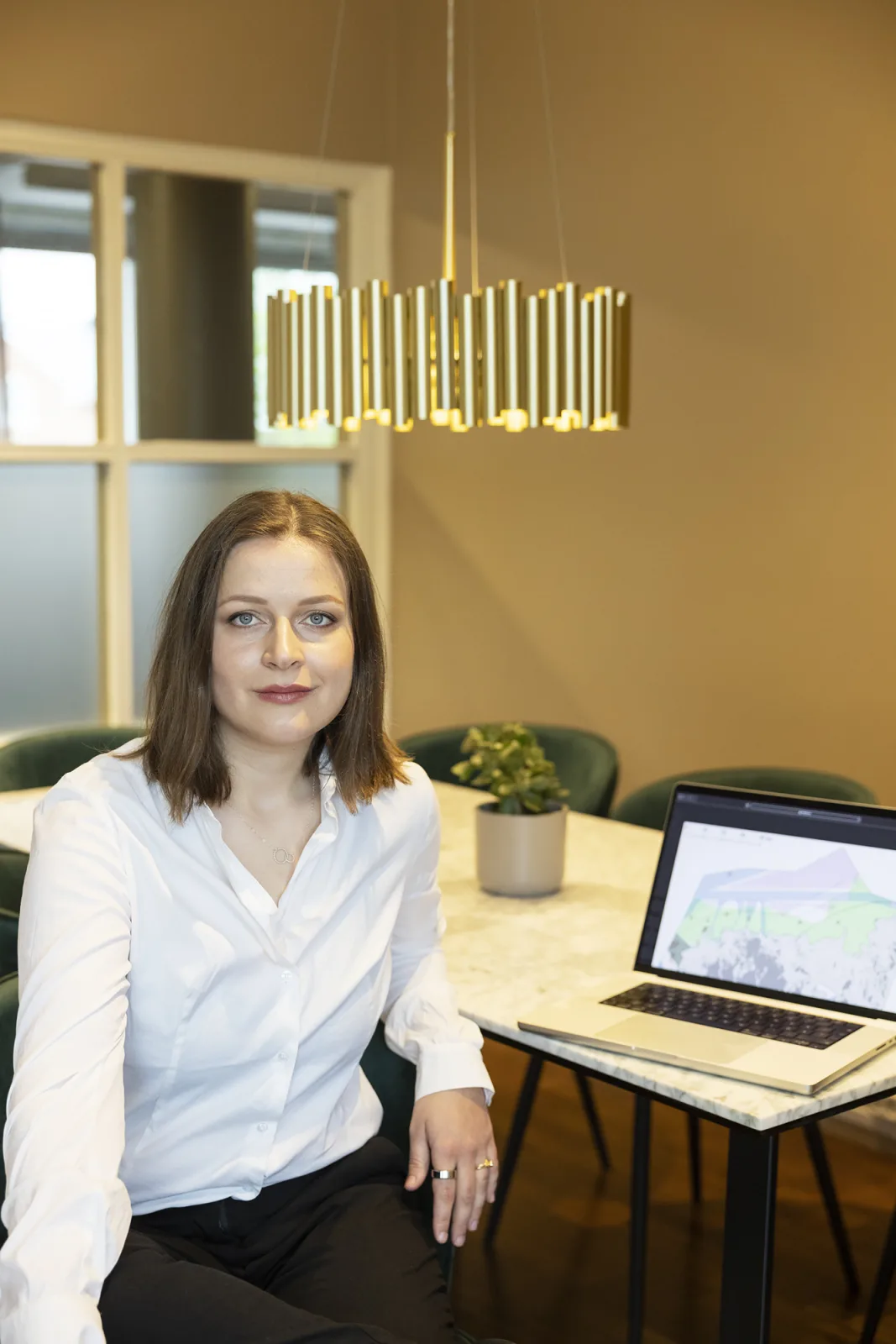

Anna Häger
Founder of Vejde and a long-standing expert in leading complex development processes.
Collaboration with both the public and private sectors is vital for translating technical visions into practical solutions. Through clear planning and well-balanced projects, the potential of each project is realised, both functionally and economically.
Navigating complex permit processes is one of my strengths. I translate technology into something understandable and achievable. Dialogue between citizens and decision-makers must take place; that is where change begins.
My approach is built on a simple insight:
Engagement is crucial. The work is carried out on several levels, from local groups to the highest decision-makers. A well-connected network ensures that the right meetings are arranged at the right time.
Rules and guidelines are often seen as obstacles. I consider them to be maps. They demonstrate areas where innovation and progress are possible. My experience in academia, the public and private sectors has taught me that the power of change lies in the combination of perspectives.
This is where I operate – at the intersection of technology, society and the people it serves.
Lasting Change Requires Shared Ownership
Transition is rarely a straight line. Time and again, we see people and organisations striving to evolve, adapt to new demands or strengthen their sustainability – only to get caught between
On top of that comes a kind of deep-rooted resistance. Change is often experienced as a burden, and
This is where
At Vejde, the work is about helping people and organisations
When the waves of change hit hard, staying afloat isn’t enough. Without direction, you risk going under.
Vejde today – Real change, put into practice
Vejde works with both public and private sector actors. The focus is on turning technical possibilities into solutions that deliver in practice.
That might include:
- Developing transition plans that can actually be put into practice.
- Designing projects that reach their full potential – in both function and financial return.
- Navigating complex and often tangled regulatory processes.
- Building bridges between stakeholders – from citizens to senior officials.
- Making technology understandable, relevant and accessible.
The approach is based on early listening, creating spaces for dialogue, and identifying shared interests. Engagement takes place at multiple levels – from local initiatives to senior decision-makers. Through a broad network, the right people are brought together at the right time.
Where others see dead ends, conversations begin. When rules clash with old habits, new solutions emerge.
The true driver of meaningful change lies in bringing perspectives together. That’s how we create lasting change – with purpose, not pressure.
Anna Häger – Background
With a background in the
Leadership in the Energy Transition
As
I was one of the key figures behind the founding of Flexens and the Smart Energy Åland project – a pioneering example of how a society can transition to 100% renewable energy in a cost-effective and locally grounded way.
In this context, I played a
I’ve also contributed to research projects on sustainable water supply in the Baltic Sea region, with a focus on developing methods that combine technical solutions with local conditions.
Commitment and Impact
As an expert member of Åland’s Climate Commission and one of Finland’s EU Climate Ambassadors, I’ve gained deep insight into how political processes meet local realities.
I’m a recognised voice in Åland’s public debate on energy and environmental issues, with a broad network across the Nordic region and the Baltic Sea area.
In roles as an advisor, speaker and panel contributor on energy transition, societal development and change leadership, I’ve demonstrated an ability to translate complex technology into workable, real-world solutions.
Academic Background
I hold a
Interdisciplinary Research
My research on municipal leadership in the transition to electrification – a collaboration between Linköping University, Lund University and Åland University of Applied Sciences – has been recognised for its ability to connect technical and social perspectives.
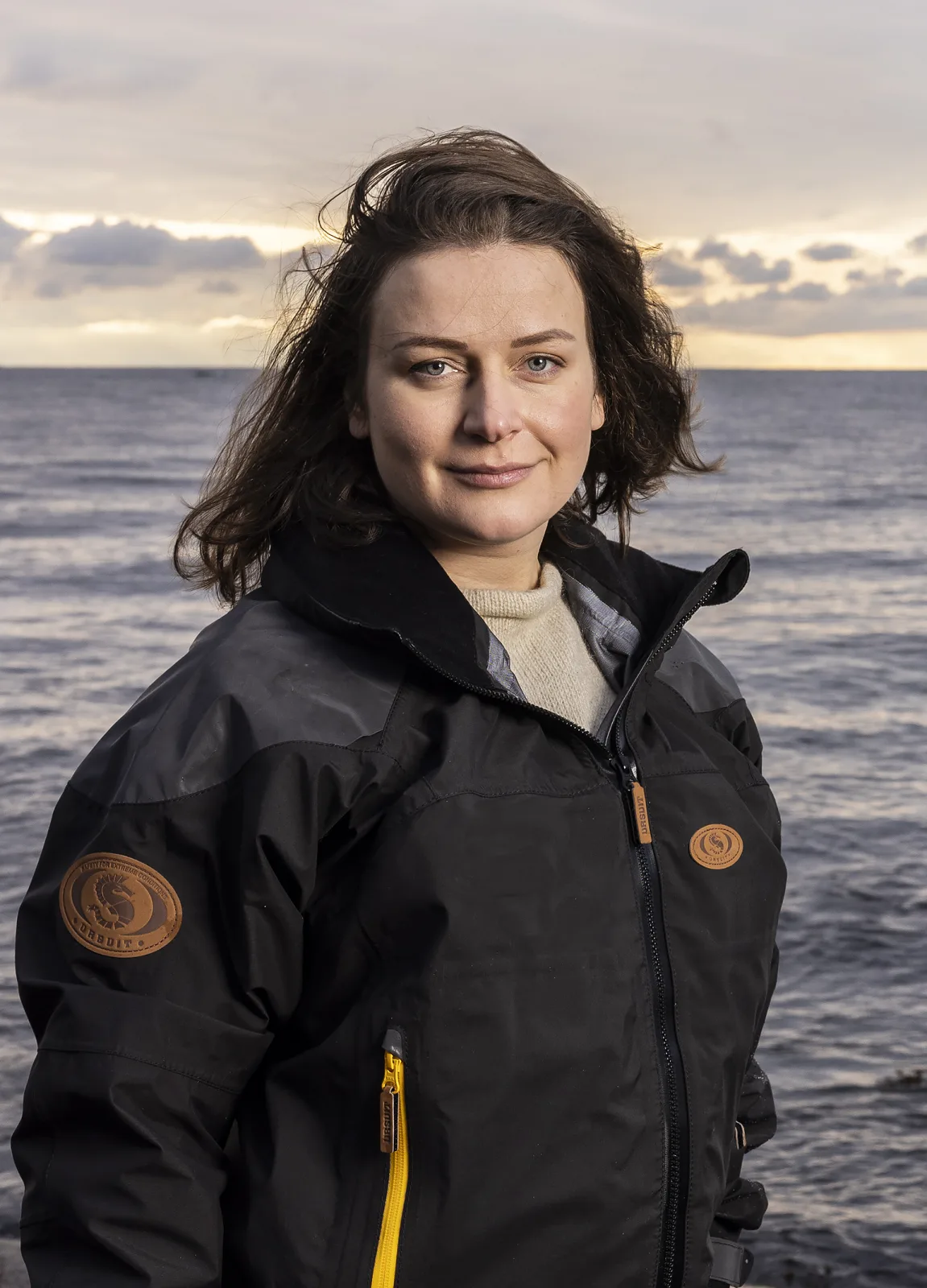
Personal – Where Theory Meets Practice
In the Åland countryside, I’ve built my home – an
This didn’t happen by chance – it’s a conscious way of living. Daily life is shaped by the belief that
What I do professionally and how I live my day to day life are deeply connected. It’s not a balance I try to strike – it’s one continuous practice. For me,